Adaptive Systems Reshaping Rewards Through User Patterns in Digital Entertainment
Kai Peters · Jun 21, 2026
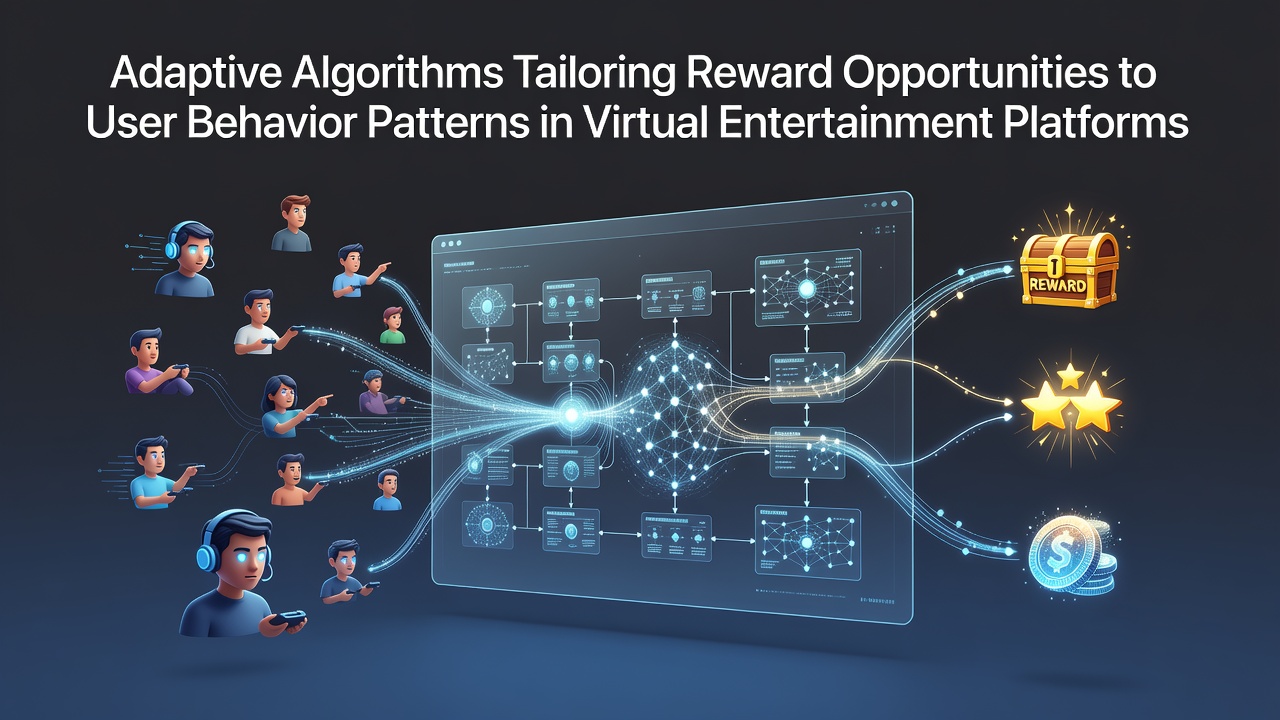
Adaptive Systems Reshaping Rewards Through User Patterns in Digital Entertainment
Virtual entertainment platforms now rely on adaptive algorithms that monitor player actions and adjust reward structures in real time, and these systems draw from large datasets collected across gaming sessions to identify preferences such as session length, spending frequency, and interaction styles. Data from industry reports shows that platforms collect metrics on login times, in-game purchases, and completion rates, then feed this information into models that predict which rewards might sustain engagement. Researchers at institutions including those affiliated with the Massachusetts Institute of Technology have documented how these algorithms evolve over weeks or months, shifting prize values or unlock conditions based on observed trends rather than fixed schedules.
Core Mechanisms Behind Pattern Recognition
Algorithms process streams of behavioral signals through techniques like clustering and reinforcement learning, where the system tests different reward configurations and retains those that correlate with continued activity. A player who logs in daily but rarely spends might receive time-limited bonuses that encourage longer sessions, whereas someone who completes challenges quickly could see escalated difficulty tiers paired with higher-value items. According to studies published in academic journals on human-computer interaction, these adjustments occur without explicit user input, relying instead on statistical correlations drawn from millions of anonymized records. Platforms in regions such as the European Union must align these processes with data protection standards set by the European Data Protection Board, which limits how long raw behavioral logs can be retained before aggregation.
Implementation often involves A/B testing frameworks that run multiple reward variants simultaneously across user segments, and the winning variant then scales to similar profiles. This approach appears in titles ranging from mobile puzzle games to large-scale multiplayer environments, where backend servers update reward tables several times per day. Figures from the Entertainment Software Association indicate that North American platforms alone processed over 200 billion player actions in 2025, providing the volume needed for reliable pattern detection.
Regional Regulatory Influences on Algorithm Deployment
Regulatory bodies shape how far personalization can extend. In Australia the Australian Communications and Media Authority requires transparency reports on automated decision systems used in digital services, which affects how reward algorithms disclose their logic to users. Canadian regulators through the Office of the Privacy Commissioner have issued guidance on meaningful consent for behavioral tracking, prompting platforms to offer opt-out mechanisms that pause adaptive reward tailoring. These rules create distinct operational environments, and developers adjust model inputs accordingly to remain compliant across jurisdictions.
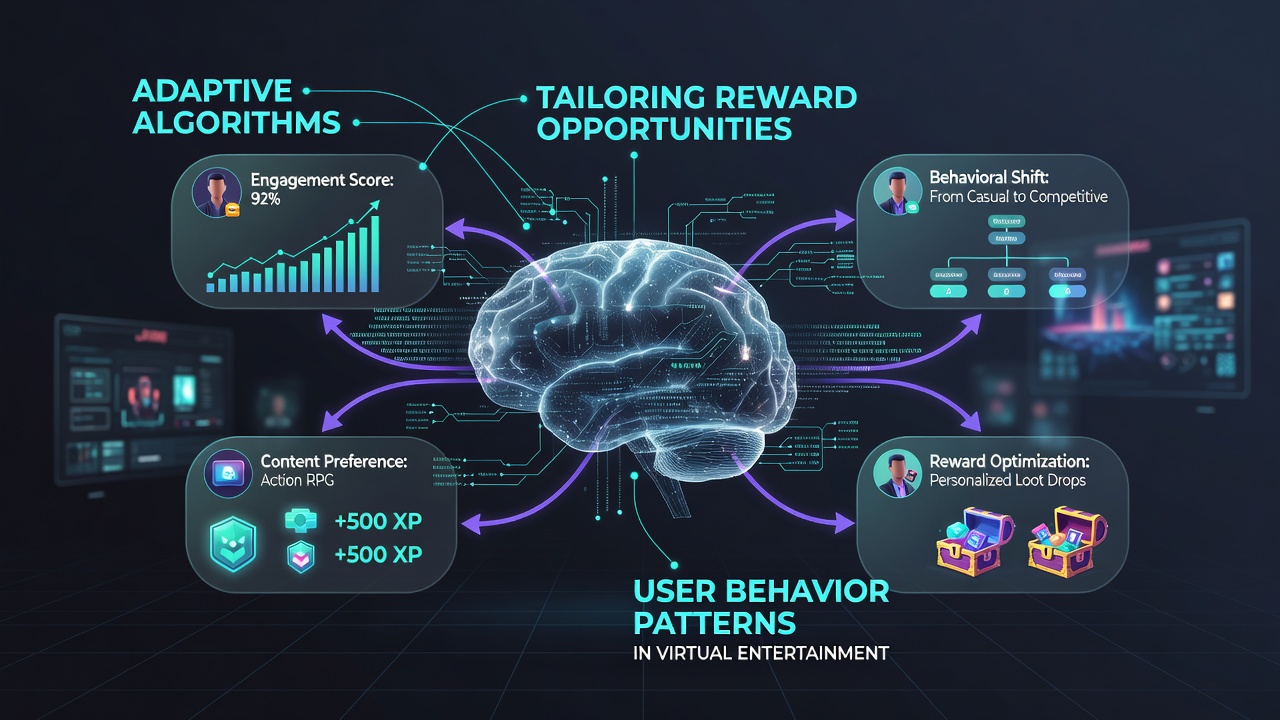
June 2026 marks the scheduled rollout of updated interoperability standards by the International Organization for Standardization, which will introduce new benchmarks for auditing adaptive systems in entertainment software. Companies preparing for that date are already mapping their current data pipelines against the forthcoming requirements, particularly around audit trails that document why a specific reward was offered to a given user segment.
Integration with Platform Infrastructure
Backend architecture typically combines real-time streaming analytics with periodic batch processing, allowing immediate reward tweaks during active sessions while deeper model retraining happens overnight. Cloud providers supply the scalable compute needed for these operations, and many platforms partner with specialized firms that offer pre-built machine learning modules for engagement prediction. Observers note that integration challenges arise when legacy game engines must communicate with newer analytics layers, often requiring custom middleware to translate player events into standardized data formats.
Security protocols protect the behavioral datasets, since unauthorized access could reveal sensitive patterns such as spending habits or play schedules. Industry groups including the Entertainment Technology Center at the University of Southern California have published frameworks that recommend encryption standards and access controls tailored to gaming environments. These measures align with broader cybersecurity expectations while supporting the continuous data flow that adaptive algorithms require.
Future Developments and Industry Standards
Emerging techniques incorporate federated learning, where models improve across devices without centralizing raw user data, and early trials suggest this method could reduce latency in reward adjustments. Trade associations such as the Interactive Games and Entertainment Association in Australia continue to track adoption rates and publish aggregated findings that help smaller studios understand implementation costs. As platforms scale these systems, the emphasis remains on measurable outcomes like retention metrics and session frequency rather than subjective satisfaction scores.
Cross-platform ecosystems add another layer, since a user's behavior on one device can influence rewards offered on another. Developers address this through unified player identities that aggregate signals while respecting regional data residency rules. The result is a landscape where reward opportunities adapt fluidly yet operate within defined technical and legal boundaries.
Conclusion
Adaptive algorithms continue to refine how virtual entertainment platforms distribute rewards by analyzing user behavior patterns at scale, and ongoing regulatory updates plus technical advances will shape their deployment through 2026 and beyond. Platforms that maintain compliance with data standards while leveraging robust analytics infrastructure position themselves to sustain engagement across diverse user groups.