Alert Chains: Tracing How Winner Notifications Propagate Through Online Gaming Communities
Katja Lange · May 24, 2026
Alert Chains: Tracing How Winner Notifications Propagate Through Online Gaming Communities
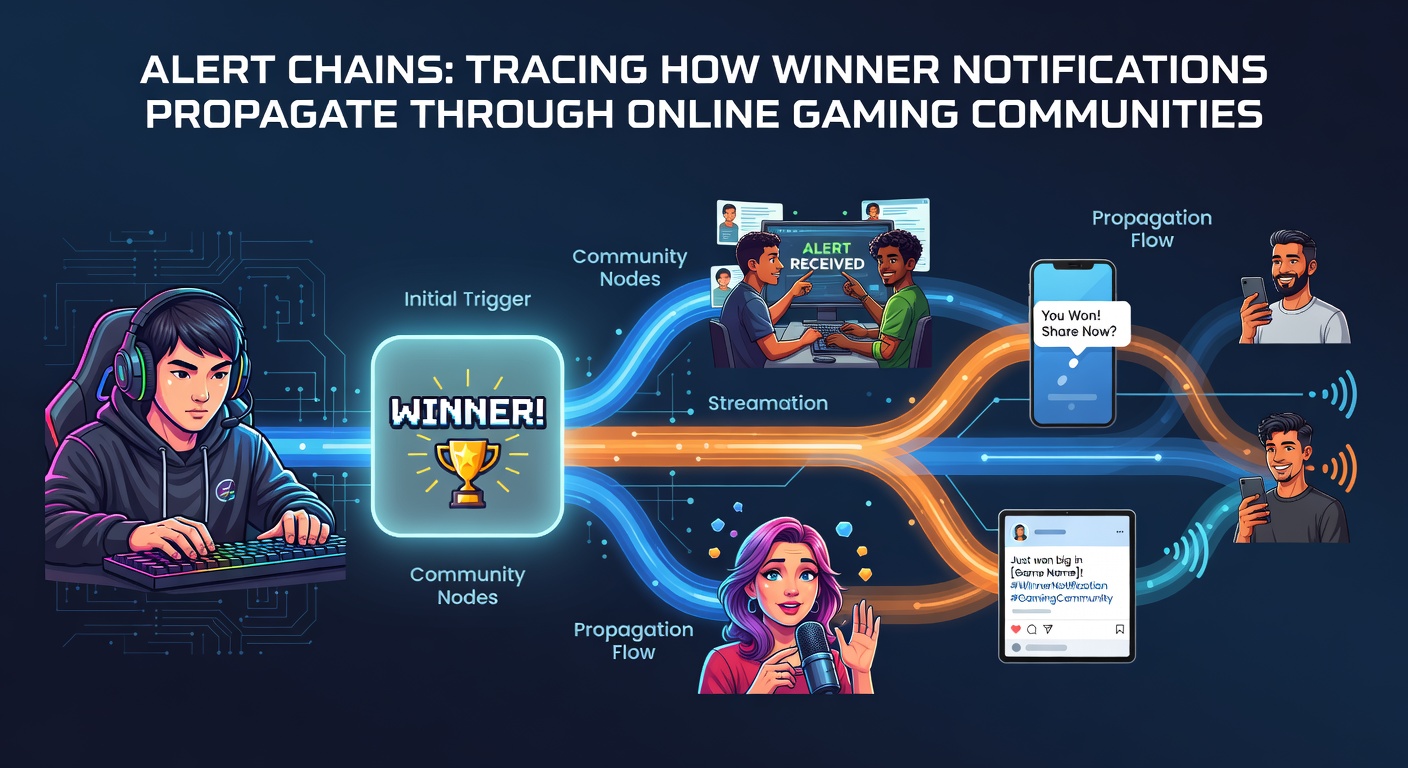
Winner notifications in online gaming communities travel through interconnected digital pathways that link email systems, push alerts, social media shares, and forum discussions into extended chains of information flow. These chains begin when platforms send official messages to selected participants, then expand as recipients forward details to friends, post screenshots in group chats, or update public profiles with their results. Observers note that the speed and reach of each chain depend on platform algorithms, user engagement levels, and the size of existing social networks around specific games or sweepstakes events.
Initial Distribution Mechanisms
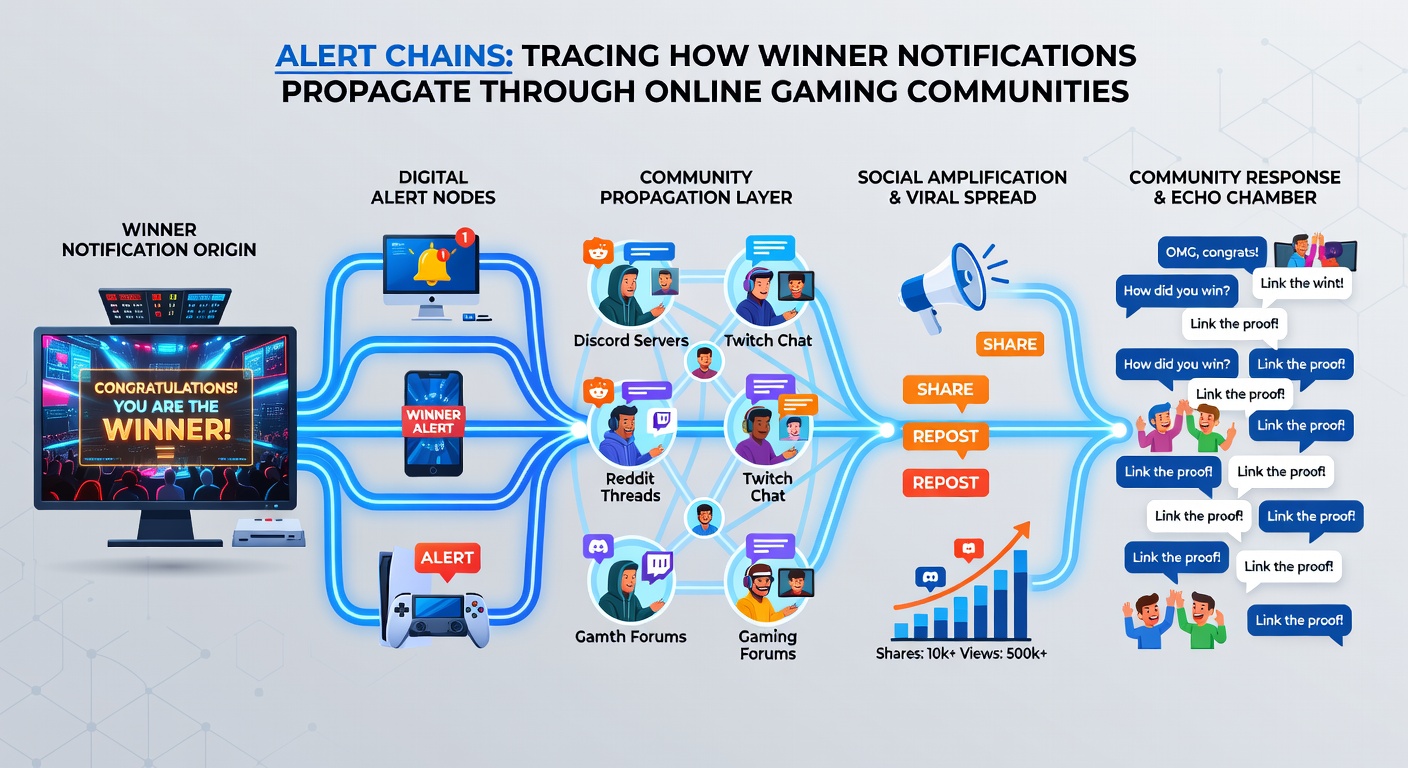
Platforms deliver the first wave of alerts through automated systems that combine direct emails with in-app notifications, while some services also send SMS confirmations to verified accounts. According to reports from the Nevada Gaming Control Board, these primary messages contain standardized language about prize amounts, claim deadlines, and verification steps, yet recipients often extract and repurpose only the key details such as names or win amounts when sharing further. Data from industry monitoring services shows that initial alerts reach intended users within seconds of draw completion, after which secondary distribution begins almost immediately through copy-and-paste actions in messaging apps.
Those who study digital communities have observed that the first shares frequently occur in private channels before moving to public spaces, creating layers of visibility that grow outward from each original recipient. Researchers at academic institutions tracking online behavior have documented how early posts in Discord servers or Facebook groups trigger follow-up questions and additional shares, extending the chain beyond the platform's own user base.
Community Amplification Patterns
Online forums dedicated to sweepstakes and casino promotions serve as central hubs where users compile and compare notification examples, often creating threads that catalog recent wins alongside screenshots of the original alerts. These threads attract participants who then cross-post the information to Reddit communities or Twitter feeds, multiplying exposure through each new share. In May 2026, monitoring tools recorded several high-profile chains where a single winner's announcement on a niche forum led to over 200 secondary posts across multiple platforms within the first 48 hours.
What's interesting is how timing influences propagation rates, since alerts sent during evening hours in major time zones coincide with peak user activity and therefore travel farther before losing momentum. Community members frequently add context such as entry methods or game types when reposting, which keeps the chain relevant and encourages further discussion among readers who may not have received the original notification.
Role of Social Platforms and External Networks
Social media algorithms prioritize posts that generate immediate reactions, so winner announcements accompanied by images or videos tend to receive boosted visibility compared with text-only updates. A single well-timed tweet or Instagram story can pull in viewers from outside traditional gaming circles, particularly when hashtags link the content to broader conversations about online promotions. External sites that aggregate winners lists sometimes scrape these public posts, creating additional nodes in the alert chain that persist even after original messages disappear from feeds.
Canadian regulatory summaries from recent years indicate that platforms must maintain records of notification delivery to ensure compliance with prize distribution rules, yet they place fewer restrictions on how users redistribute that information once it leaves the official channel. This distinction allows chains to extend through unofficial routes such as YouTube recaps or TikTok explainers that reach audiences who never entered the original contest.
Measurement and Tracking Challenges
Quantifying the full length of any alert chain remains difficult because many shares occur in private groups or through ephemeral messaging formats that leave no public trace. Industry organizations such as the European Gaming and Betting Association have funded studies that combine public data scraping with voluntary participant surveys to estimate average propagation distances, yet these methods capture only a fraction of total activity. Participants in gaming communities often report learning about wins through second- or third-hand mentions rather than direct platform alerts, illustrating how information travels along routes that official systems cannot monitor.
Those who've examined network graphs of online gaming interactions note that certain accounts function as amplifiers by consistently reposting winner news to large follower bases, while others serve as connectors between otherwise separate communities. These patterns repeat across different games and regions, creating recognizable structures even when specific content varies.
Conclusion
Alert chains in online gaming communities form through repeated sharing of official notifications across layered digital spaces that include emails, forums, and social platforms. Data collected through regulatory reports and academic monitoring shows consistent expansion from primary recipients outward, with timing and content format shaping how far each chain extends. External networks and aggregator sites further lengthen these pathways by capturing and redistributing details beyond the originating platform's control. As gaming participation continues to grow, the structures supporting these notification flows remain central to how information about wins circulates among participants worldwide.