Authentication Shields: How Backend Systems Block Fraud in Online Jackpot Payouts
Ines Richter · Jun 28, 2026
Authentication Shields: How Backend Systems Block Fraud in Online Jackpot Payouts
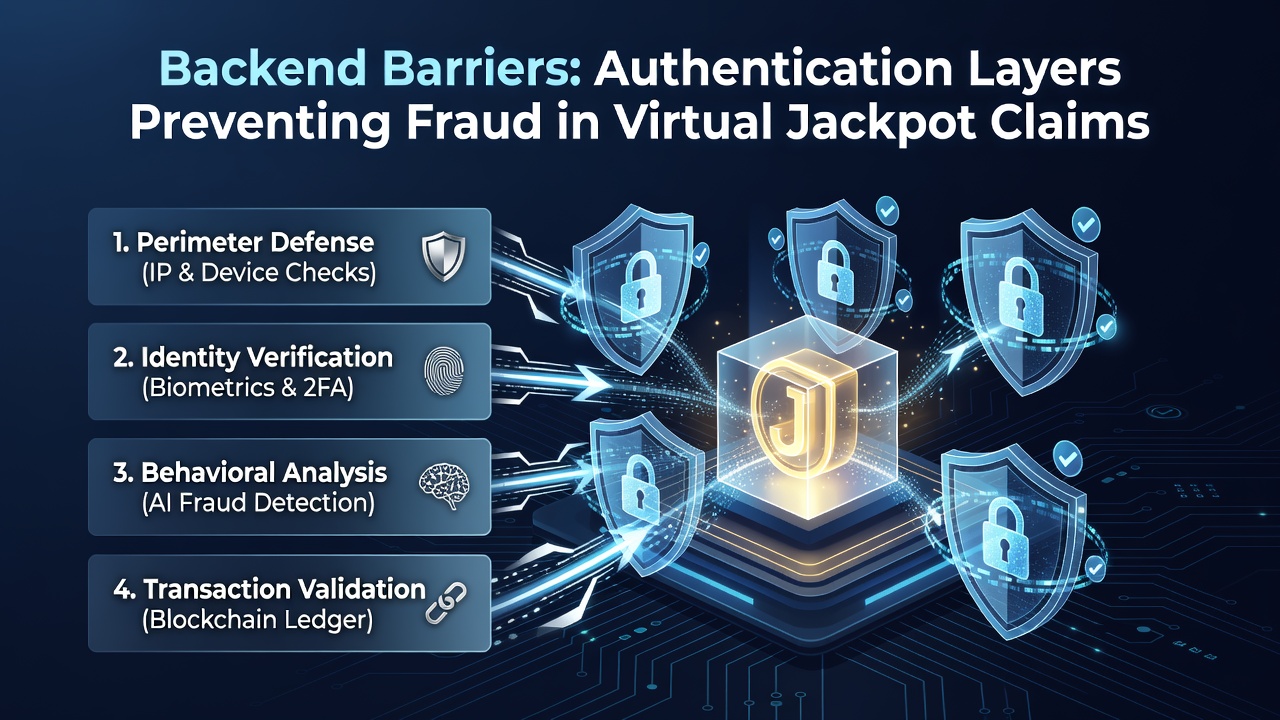
Virtual jackpot systems rely on intricate backend authentication to verify claimants before any funds transfer occurs, and these layers have grown more sophisticated as digital prize pools expanded across platforms. Operators deploy combinations of identity checks, device analysis, and behavioral monitoring that work together to flag inconsistencies in real time. Research from the Nevada Gaming Control Board shows that such multi-factor protocols reduced unauthorized claim attempts by measurable margins in monitored jurisdictions during recent years.
Entry points for fraud often surface when winners receive notifications through email or app alerts, prompting immediate verification sequences that include password resets alongside secondary codes sent to registered devices. These steps connect directly to account creation data collected at signup, where initial identity documents undergo scanning and cross-referencing against public records databases. Observers note that discrepancies in location data or login patterns trigger additional reviews, which can pause processing until resolution occurs.
Core Components of Backend Verification
Device fingerprinting forms one foundational element, capturing unique hardware signatures such as browser configurations and operating system details that remain consistent across sessions even if users clear cookies. When a claim originates from an unrecognized device, the system routes it through enhanced scrutiny protocols that may require live video confirmation or direct contact with support teams. Data from industry reports indicates these techniques catch a significant portion of automated scripts attempting mass submissions.
Biometric options, including facial recognition tied to government-issued IDs, add another barrier that links physical traits to digital profiles without storing raw images in most compliant setups. Platforms integrate these with time-stamped transaction histories so that sudden spikes in activity from new regions prompt immediate holds. In June 2026, several operators plan to align their systems with emerging interoperability standards that allow shared verification signals across partnered networks while maintaining data privacy controls.
Integration with Regulatory Frameworks
Geographic restrictions tie into authentication through IP geolocation and address validation that cross-checks against the original registration details, preventing claims from restricted zones even if login credentials match. The Australian Communications and Media Authority maintains oversight guidelines that require operators to log these checks for audit purposes, creating traceable records that support post-event investigations. Those who've studied compliance patterns find that synchronized databases help spot duplicate claims across multiple sites before payouts finalize.
Behavioral analytics run continuously in the background, tracking mouse movements, typing rhythms, and session durations to build user profiles that deviate from established norms during claim processes. When anomalies appear, such as unusually rapid form completions, the backend escalates to human review queues or blocks the transaction outright. A study published by researchers at the University of Nevada Reno examined these systems and documented how they adapt thresholds based on historical fraud data from similar platforms.
Handling High-Value Claims and Edge Cases
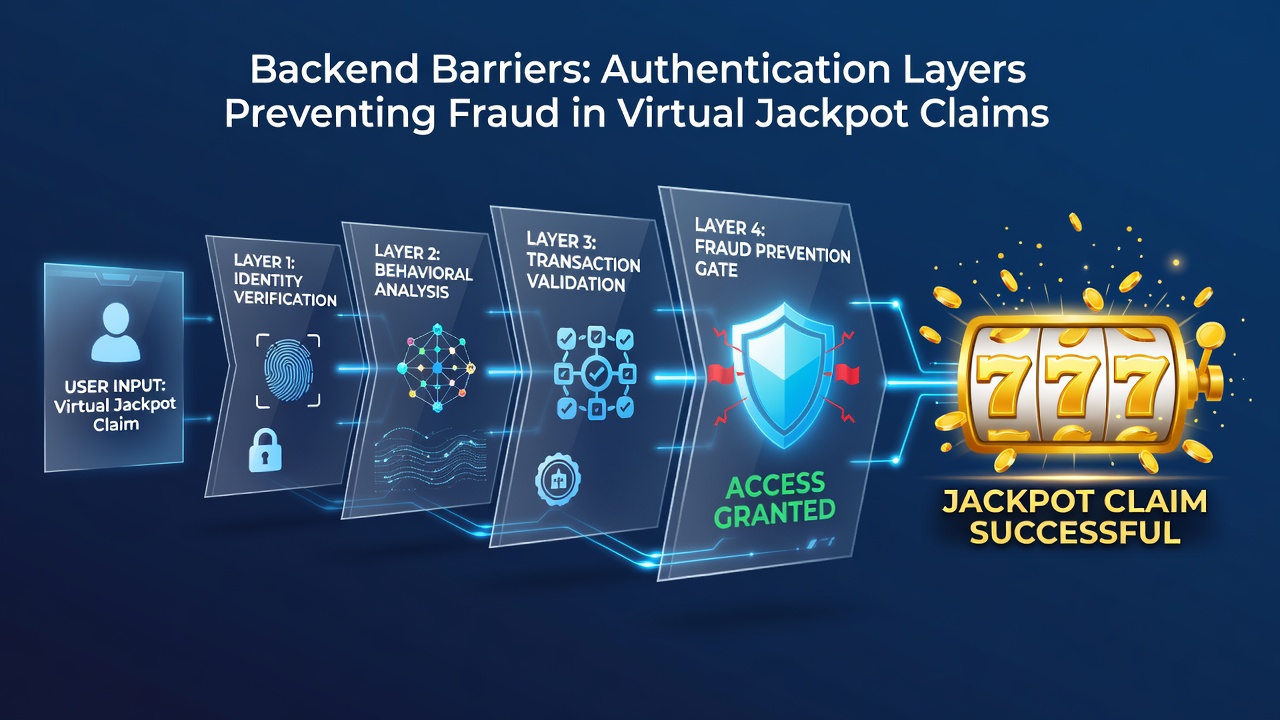
Large jackpot validations often incorporate manual oversight alongside automated checks, where teams examine supporting documentation like tax forms adn bank statements before releasing funds. This layered approach ensures that even if initial authentication passes, secondary confirmations catch sophisticated attempts involving stolen credentials. Experts have observed that coordinated efforts between operators and financial institutions further tighten these controls through shared watchlists updated regularly.
Token-based systems generate single-use codes valid only for short windows, reducing exposure windows during which intercepted data could enable fraudulent submissions. These tokens link to specific claim sessions and invalidate after use or expiration, forcing repeat attempts to restart the entire sequence. Reports from Canadian gaming regulators highlight how such measures complement existing multi-factor setups in provinces with legalized online draws.
Conclusion
Backend authentication continues to evolve through incremental refinements drawn from incident reports adn technological advances, creating barriers that adapt to emerging threat patterns without disrupting legitimate winner experiences. Platforms that maintain transparent logging practices support regulatory audits and build trust among participants who expect secure processing of verified claims. Data shows consistent application of these layers correlates with lower fraud incidence rates across monitored markets, underscoring their role in sustaining viable virtual prize ecosystems.