Chain Reactions: Word-of-Mouth Networks Fueling Digital Sweepstakes Growth
Katja Lange · Jul 31, 2026
Chain Reactions: Word-of-Mouth Networks Fueling Digital Sweepstakes Growth
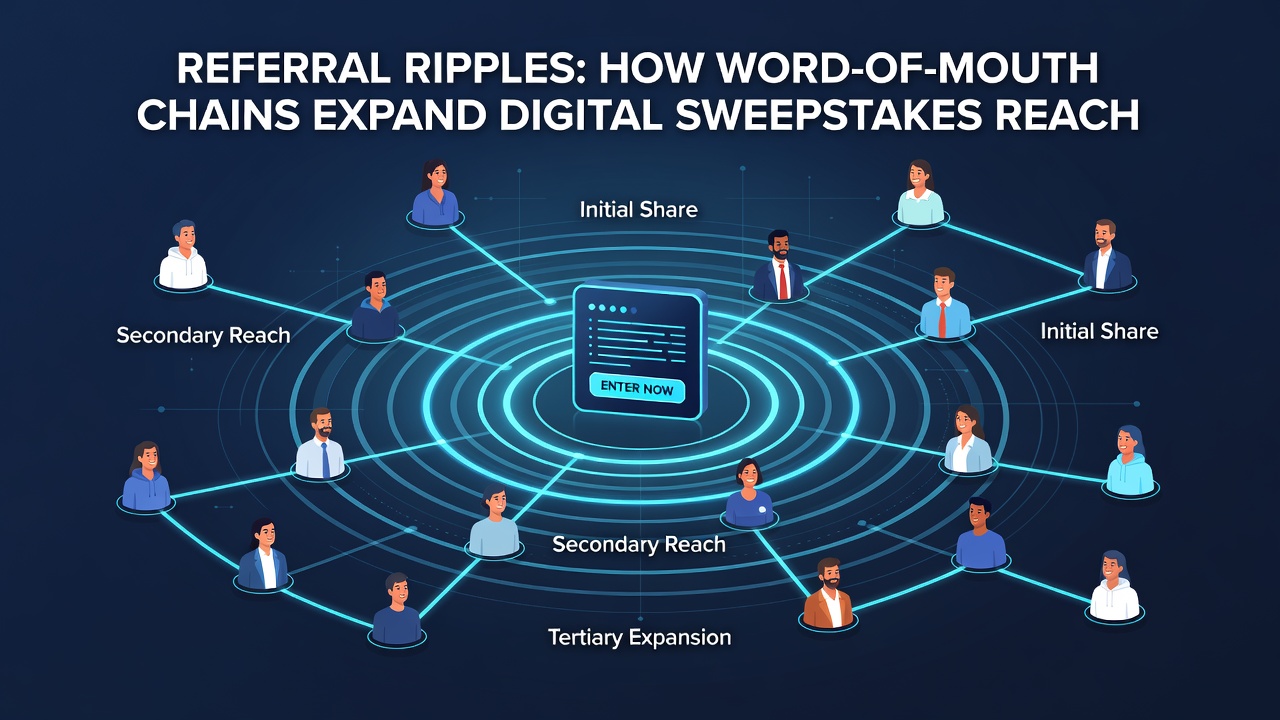
Digital sweepstakes platforms rely on structured referral systems that turn individual entries into extended participation chains, and data from multiple operators indicates these mechanisms can multiply reach by factors of three to five within weeks of launch. Participants receive unique links or codes that grant additional entries when shared, creating measurable expansion patterns tracked through backend analytics.
Mechanics Behind Referral Expansion
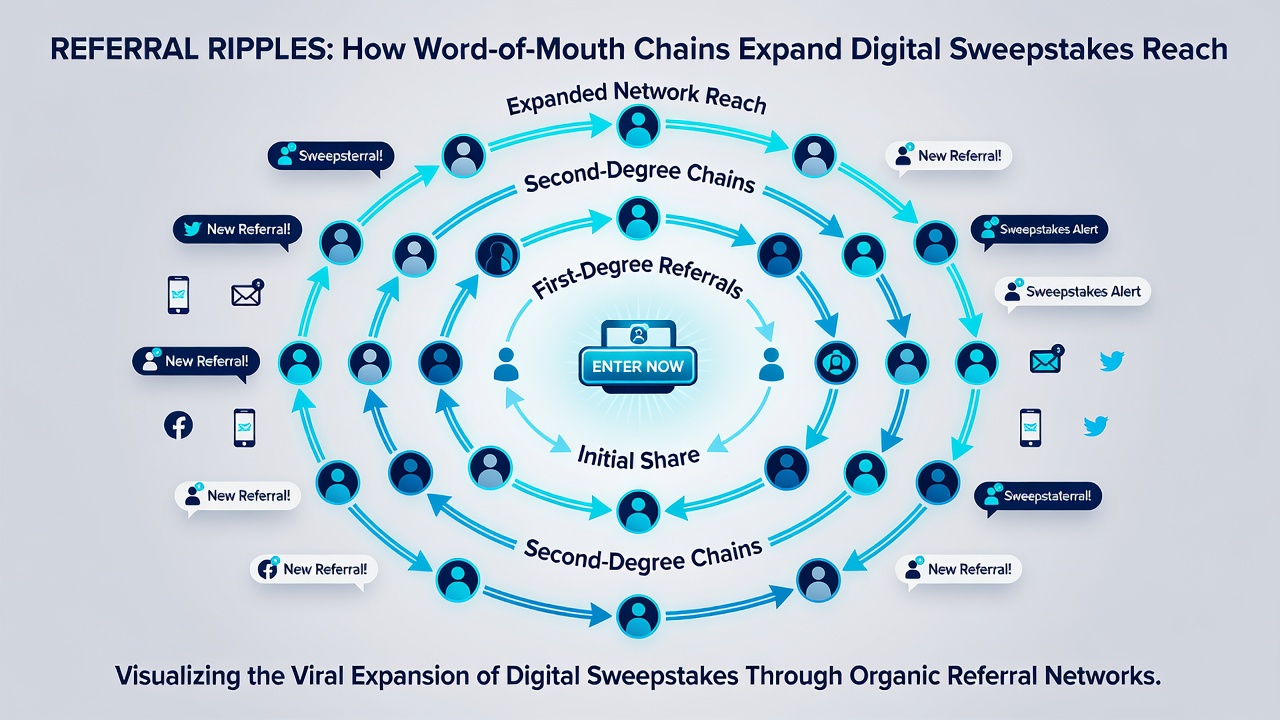
Operators design referral programs where each successful share grants bonus entries to both the referrer and the new participant, and platform records from 2025 show average chain lengths reaching eight to twelve users before activity tapers. These systems integrate with email, social media, and messaging apps so that one initial entry can trigger sequential sign-ups across different geographic regions, while rules require participants to meet eligibility criteria such as age verification and single-account limits. In July 2026 several major sites reported referral-driven traffic accounting for 42 percent of total entries during promotional windows, according to aggregated operator disclosures.
Network Effects Documented in Recent Campaigns
Studies conducted by university research teams have mapped how referral trees branch outward, and one analysis of over 150,000 entries found that second- and third-generation participants often outnumber the original referrer by ratios exceeding four to one. The pattern repeats across platforms because each new entrant receives the same incentive structure, encouraging further distribution without additional marketing spend from the operator. Geographic data reveals clusters forming in urban centers first, followed by suburban and rural spread as links travel through personal contacts.
Regulatory frameworks in multiple jurisdictions require clear disclosure of referral terms, and the Federal Trade Commission guidelines specify that all material conditions must appear in promotional materials. Similar requirements appear in Canadian consumer protection statutes, which mandate that referral bonuses cannot alter the random nature of prize selection. Operators maintain audit logs that separate referral entries from organic ones, allowing verification that no single chain exceeds platform-imposed caps designed to prevent artificial inflation.
Measurement and Tracking Systems
Analytics dashboards record unique referral identifiers at every step, generating reports that show daily growth curves, peak sharing hours, and drop-off points where chains terminate. These metrics help operators adjust bonus structures mid-campaign, while independent auditors review the data to confirm compliance with stated rules. Figures released by several platforms in mid-2026 indicated that referral participants demonstrated higher retention rates for subsequent promotions compared with one-time entrants.
Cross-Platform and Community Influences
Community forums and social groups frequently circulate active referral codes, accelerating distribution beyond immediate personal networks, and researchers have documented cases where single codes reached thousands of users through public posts. Yet platform terms typically prohibit commercial resale or bulk distribution of links, and violations result in account termination. European data protection regulations further require explicit consent before personal contact information is shared through these systems.
Conclusion
Referral chains in digital sweepstakes function through documented incentive structures and transparent tracking protocols that expand participation while remaining subject to regulatory oversight across regions. Continued monitoring by operators and oversight bodies provides ongoing data on how these networks evolve over successive campaigns.