Digital Footprints in Sweepstakes: Tracking Data from Entry to Payout
Katja Lange · Jul 29, 2026
Digital Footprints in Sweepstakes: Tracking Data from Entry to Payout
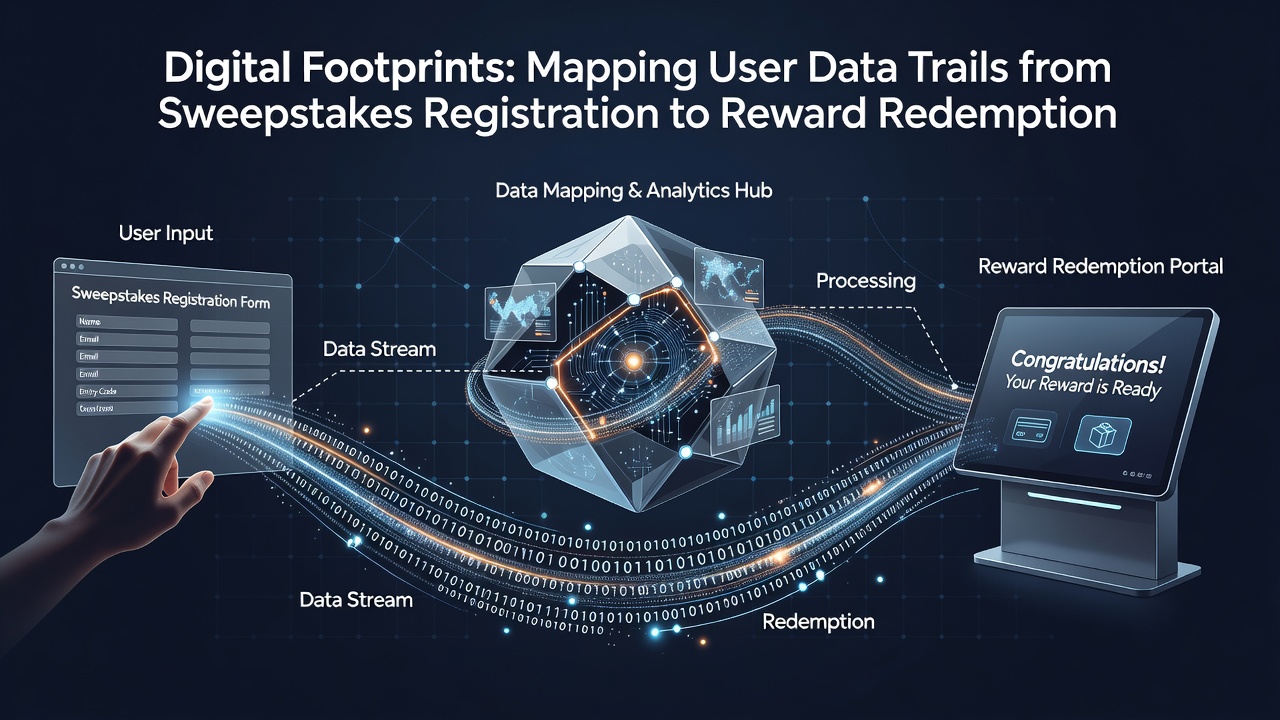
Online sweepstakes platforms collect user information at multiple stages beginning with registration and continuing through prize claims, creating traceable sequences that observers in the industry refer to as digital footprints. These sequences include email addresses, device identifiers, IP locations, and interaction timestamps that systems log automatically during each step of participation.
Registration Phase and Initial Data Capture
Users who complete entry forms supply basic details such as names, addresses, and contact methods, while backend systems record additional metadata like browser type and session duration without explicit prompts. Data indicates that platforms store these elements in centralized databases where algorithms later match them against eligibility criteria, and this process occurs in milliseconds according to technical documentation from major operators.
Entry submissions often trigger verification routines that cross-reference supplied information against public records or previous activity logs, generating new data points that accumulate over repeated interactions. Those who study platform architecture note that such routines help maintain compliance with age and location rules while also building profiles that influence future promotional targeting.
Participation Tracking and Intermediate Trails
Once registered, users generate further footprints through game plays, login patterns, and social sharing actions that platforms monitor in real time. Researchers have observed that these activities produce time-stamped records which link back to the original registration file, forming continuous chains that extend across multiple sessions or devices.
Systems employ cookies and similar tracking mechanisms to maintain session continuity, and figures from industry analyses reveal that these tools capture click sequences and dwell times on specific pages. In July 2026, updated reporting from regulatory bodies highlighted increased scrutiny on how such mechanisms handle cross-device data flows in promotional environments.
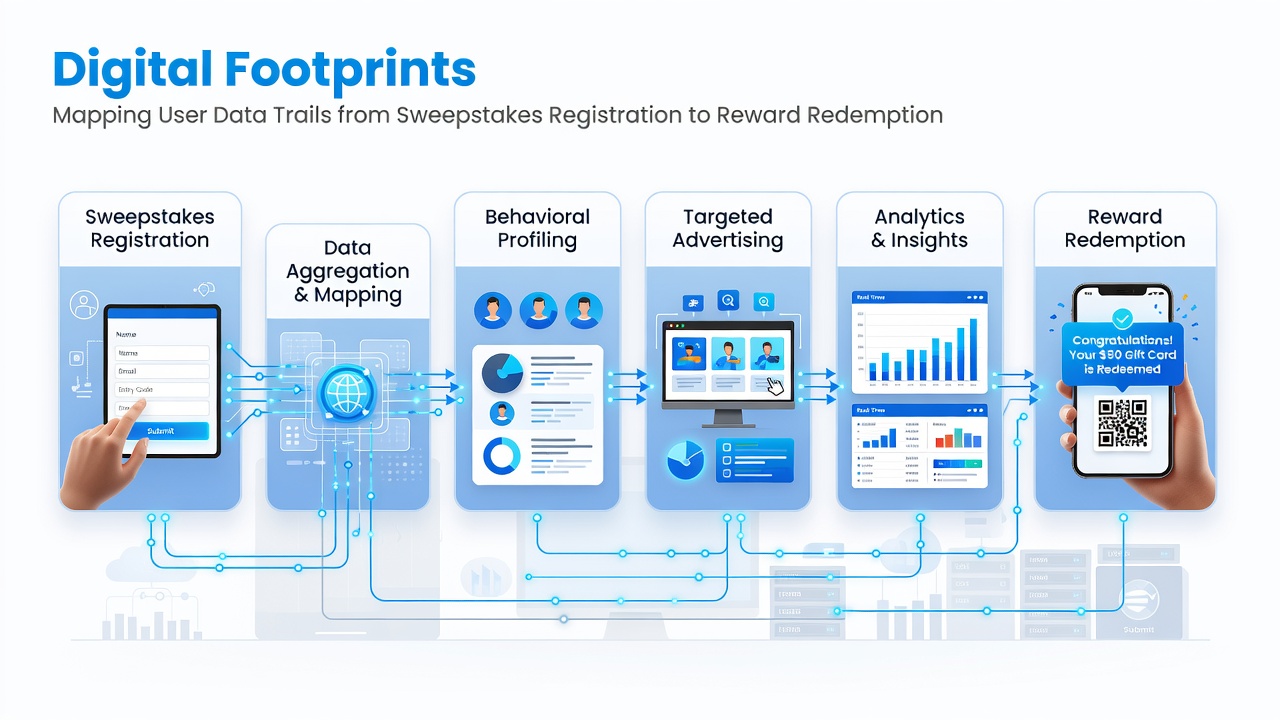
Participation data sometimes feeds into broader analytics engines that identify behavioral clusters, allowing operators to adjust draw frequencies or prize structures based on aggregated patterns. Observers note that while individual entries remain isolated in appearance, the underlying infrastructure connects them through unique user tokens assigned at signup.
Redemption Processes and Final Data Linkages
Prize claims introduce additional layers where winners submit verification documents that platforms compare against stored registration details, creating final nodes in the data trail. These comparisons often involve secure upload portals that log file metadata alongside the original identifiers, ensuring continuity from initial contact to reward delivery.
According to records maintained by consumer protection agencies in multiple jurisdictions, redemption workflows require confirmation of identity elements collected months or years earlier, which reinforces the persistence of these digital sequences. Operators integrate third-party services for address validation and tax reporting, each of which adds external data exchanges visible in audit logs.
Security Measures and Regulatory Oversight
Platforms apply encryption and access controls to protect accumulated data trails, yet reports from academic studies on digital privacy indicate that linkage risks persist when multiple services share user tokens. In regions such as the European Union and Australia, oversight bodies require documentation of data processing activities that trace user journeys from entry through fulfillment.
One study from a North American research institution examined how sweepstakes operators retain records for dispute resolution, revealing that retention periods commonly span several years after redemption concludes. This practice supports audit requirements while also extending the lifespan of individual footprints within corporate systems.
Industry associations have published guidelines encouraging transparent disclosure of data collection points, and those guidelines reference examples where clear mapping helped users understand how their information moved between registration and payout stages. External links to authoritative sources include FTC consumer privacy resources and reports from the Australian Competition and Consumer Commission on digital tracking practices.
Conclusion
The complete mapping of digital footprints from sweepstakes registration to reward redemption demonstrates interconnected data points that platforms manage through layered technical and procedural steps. Evidence from regulatory filings and technical reviews shows that these trails support operational needs while remaining subject to ongoing compliance frameworks across different regions.