Fair Play Frameworks: Backend Algorithms in Multi-State Sweepstakes Management
Gisela Koch · Jun 24, 2026
Fair Play Frameworks: Backend Algorithms in Multi-State Sweepstakes Management
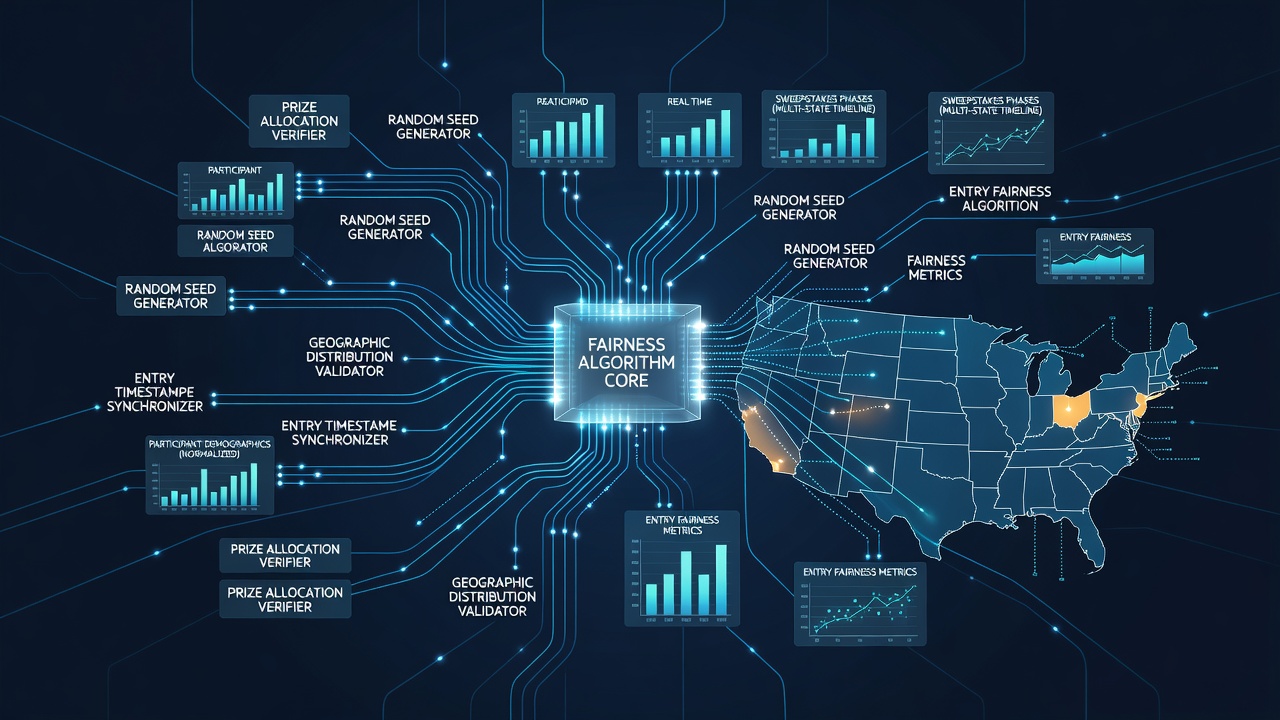
Multi-state sweepstakes events require backend algorithms that synchronize eligibility rules across jurisdictions while preserving uniform selection outcomes, and developers achieve this through layered validation modules that process entries against state-specific criteria before feeding them into centralized random generators. These systems draw on established cryptographic standards to produce verifiable sequences, ensuring that participants from different regions experience equivalent odds regardless of varying regulatory thresholds.
Core Components of Cross-Jurisdictional Processing
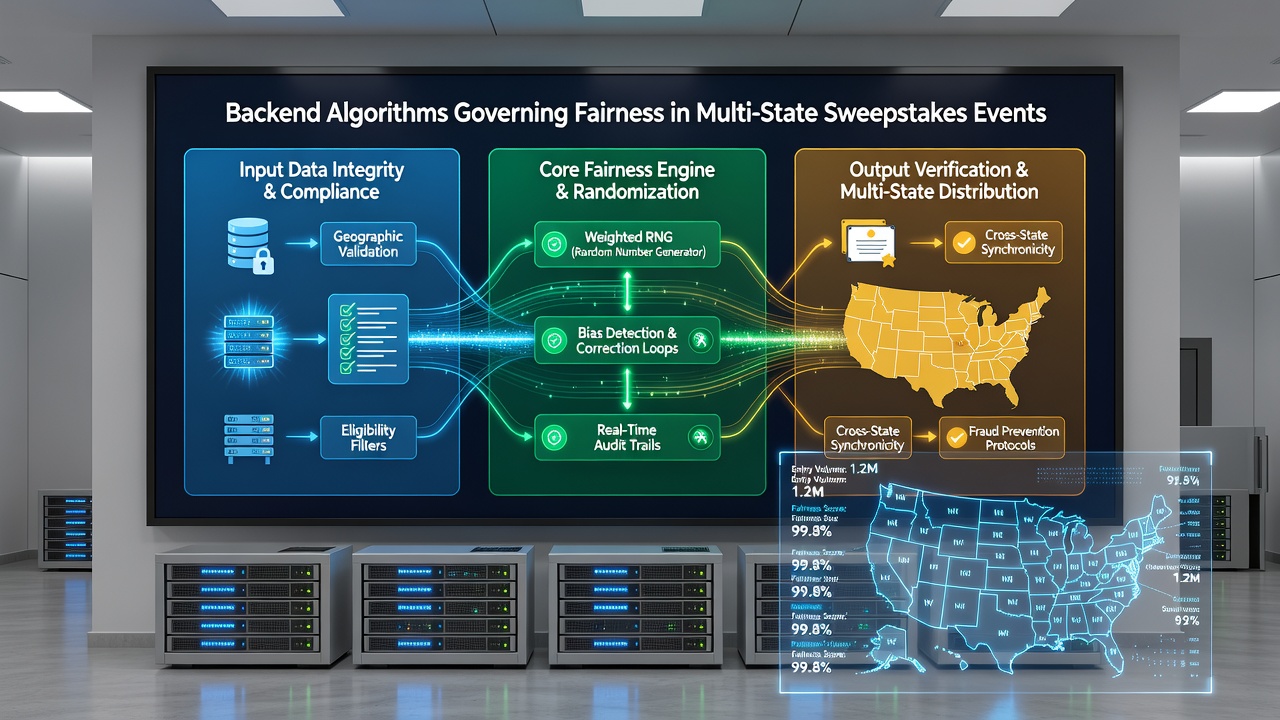
Entry intake pipelines begin by capturing geographic metadata at submission, then route records through compliance engines that reference dynamic databases updated with each participating state's statutes. Algorithms apply exclusion filters for age, residency, and prior win status, after which surviving entries receive uniform tokens for the subsequent draw phase. Observers note that this tokenization step decouples raw participant data from the selection process, reducing the risk of bias introduction during aggregation across state lines.
Random number generation occurs in isolated modules certified under standards from organizations such as the Nevada Gaming Control Board and the Malta Gaming Authority. These modules employ algorithms like Mersenne Twister variants augmented with entropy sources from hardware security modules, and they generate outcomes only after all filtered entries reach the pool. Data from industry reports shows that multi-state operators typically run parallel validation checks every 15 minutes during active entry periods to maintain synchronization.
Handling Regulatory Divergence
States impose differing prize caps, tax withholding rules, and advertising disclosure requirements, so backend logic incorporates conditional branching that adjusts payout calculations post-selection without altering the draw itself. For example, an algorithm might calculate net award amounts by applying jurisdiction-specific tax tables once a winner identifier is confirmed, then generate separate notification packets for each affected regulatory body. This separation keeps the core fairness mechanism intact while satisfying divergent administrative demands.
Auditing Trails and Verification Protocols
Every entry token carries a cryptographic hash linked to its source metadata, creating immutable logs that third-party auditors can reconstruct without exposing personal information. Research from the University of Nevada, Reno gaming technology program indicates that hash-chain verification reduces dispute resolution time by up to 40 percent in multi-state scenarios. Auditors typically request samples spanning several draw cycles, and automated scripts compare these against live outputs to confirm statistical uniformity across geographic segments.
Load distribution across data centers located in separate states further supports fairness by preventing single-point failures that could skew participation windows. When one region's connectivity lags, failover routines redistribute incoming traffic while preserving timestamp integrity, ensuring late entries from affected areas still receive equal consideration. Industry analyses reveal that operators conducting events spanning five or more states maintain at least three geographically dispersed nodes to meet uptime thresholds mandated by most commissions.
Emerging Adjustments in Mid-2026
Regulatory updates scheduled for rollout in June 2026 will require additional layers of real-time reporting for interstate prize pools, prompting developers to integrate streaming analytics that flag anomalies in entry velocity by region. These enhancements build on existing frameworks without replacing the foundational random selection engines, and preliminary testing indicates minimal impact on processing latency. Coordination between state agencies and platform operators continues through standardized data exchange formats that emerged from earlier multi-state pilot programs.
Conclusion
Backend algorithms governing multi-state sweepstakes maintain fairness by combining strict geographic filtering, certified random generation, cryptographic logging, and adaptive compliance layers into a single coordinated pipeline. As regulatory environments evolve, these systems demonstrate the capacity to absorb new requirements while preserving the statistical integrity that underpins participant trust across borders.