Firewall Fortunes: Cybersecurity Measures Shielding Virtual Sweepstakes Data Pathways
Katja Lange · Aug 14, 2026
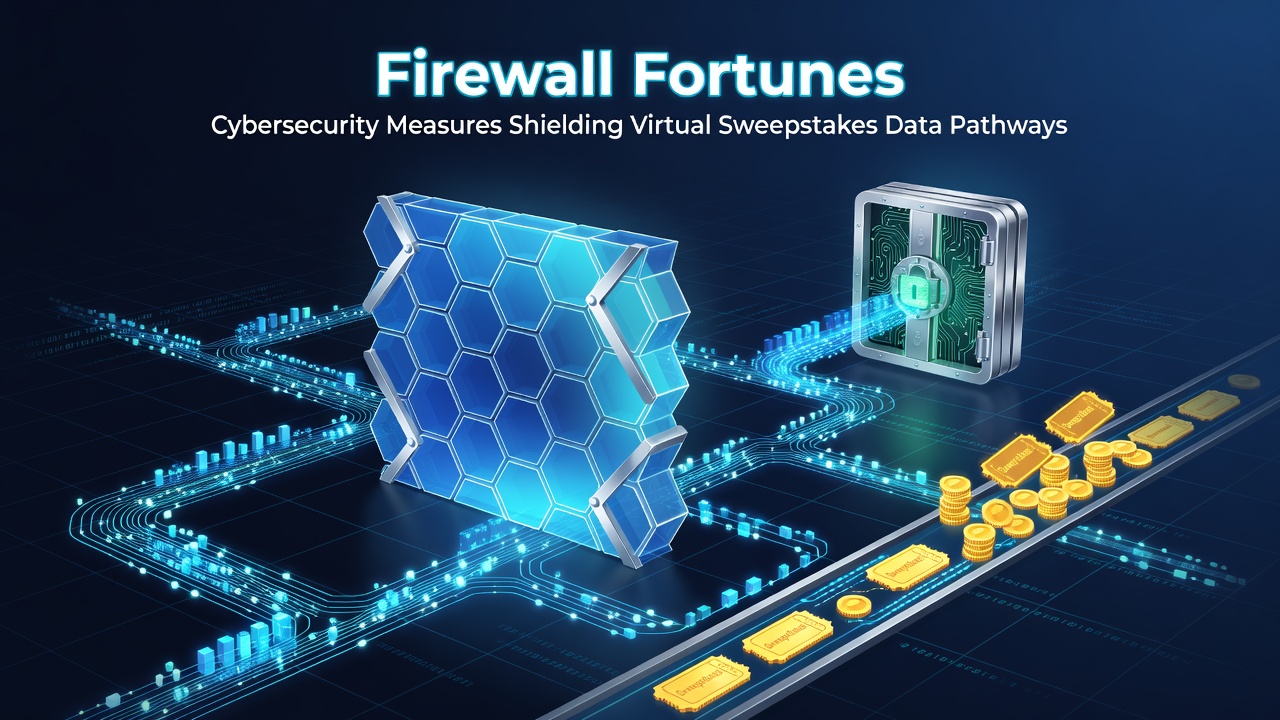
Firewall Fortunes: Cybersecurity Measures Shielding Virtual Sweepstakes Data Pathways
Virtual sweepstakes platforms transmit vast amounts of user data through entry submissions, random selection processes, and prize distribution channels, all of which require robust protection against unauthorized access. Firewalls serve as primary gatekeepers in these environments by inspecting incoming and outgoing traffic according to predefined security rules. Operators configure these systems to monitor ports, protocols, and packet contents that carry participant information from online forms to backend databases.
Data Pathways in Sweepstakes Operations
Entry data moves from user devices through web servers into centralized processing systems where algorithms determine winners, and this flow continues onward to fulfillment centers that manage prize claims. Each segment exposes potential vulnerabilities because attackers often target the connections between front-end interfaces and the core selection engines. Observers note that many platforms segment these pathways into isolated zones so that a breach in one area does not automatically compromise the entire selection or payout infrastructure.
Research indicates that next-generation firewalls combine traditional packet filtering with application-layer inspection, allowing them to recognize sweepstakes-specific traffic patterns such as repeated form submissions or unusual data requests during peak entry periods. These devices maintain logs that record every connection attempt, which regulatory bodies later review during compliance audits.
Firewall Deployment Strategies
Many operators deploy layered firewall architectures that place perimeter defenses around public-facing servers while additional internal firewalls control traffic between application servers and database clusters. This setup forces all prize selection commands to pass through multiple inspection points before reaching sensitive winner records. Data shows that organizations using stateful inspection firewalls reduce the risk of session hijacking because each connection must match an established session state before packets are allowed through.
Virtual private networks often encrypt the links between geographically distributed data centers that host sweepstakes operations, and the firewalls at each endpoint decrypt traffic only after verifying digital certificates. As of August 2026, updated guidelines from the European Union Agency for Cybersecurity recommended mandatory certificate rotation every ninety days for platforms handling cross-border prize data.
Integration with Broader Security Controls
Firewalls work alongside intrusion prevention systems that automatically block IP addresses showing signs of brute-force attempts against entry portals. Platform administrators correlate firewall logs with these prevention alerts to identify coordinated attacks that might originate from multiple source countries. Studies from the Canadian Centre for Cyber Security have documented cases where such correlation identified distributed denial-of-service campaigns targeting jackpot announcement pages during high-traffic periods.
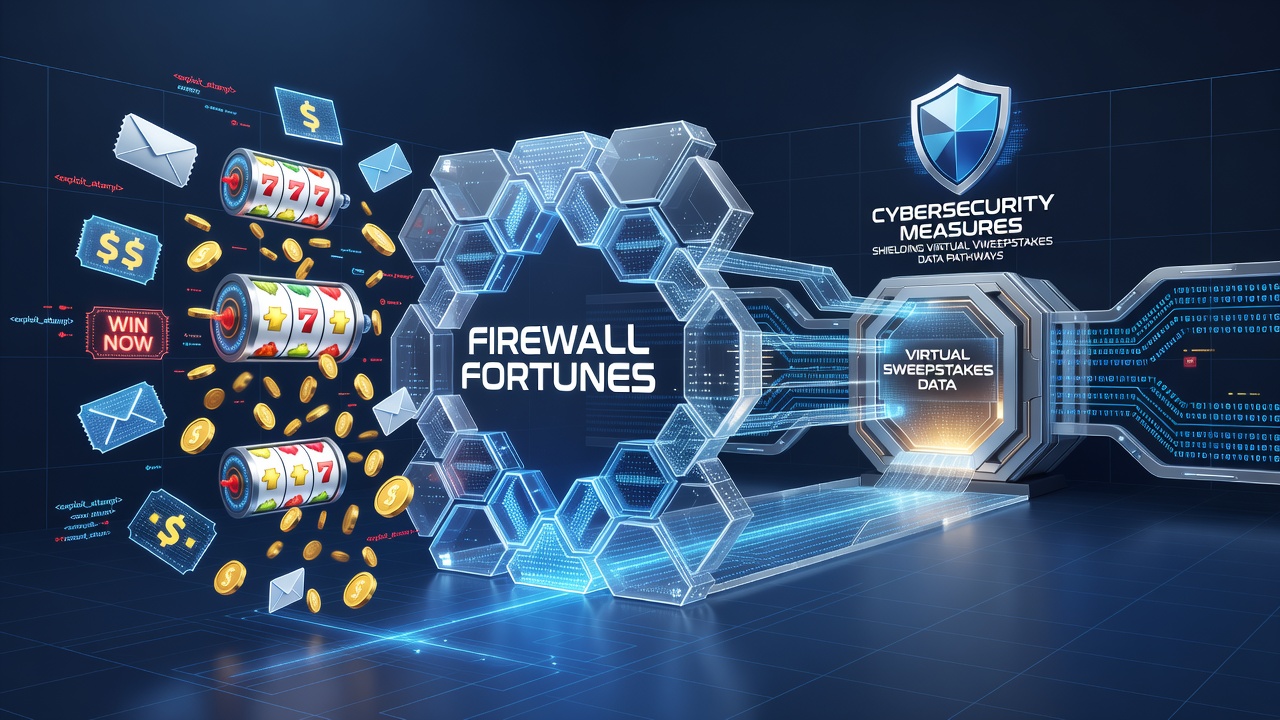
Encryption protocols such as TLS 1.3 wrap data packets before they reach the firewall inspection stage, which means the firewalls must possess the necessary decryption keys or operate in transparent mode that inspects metadata without accessing payload contents. This balance allows platforms to maintain both privacy standards and traffic analysis capabilities required for threat detection.
Regulatory and Compliance Considerations
Jurisdictions impose varying requirements on how long platforms must retain firewall logs and how quickly they must report detected incidents involving sweepstakes participant data. In Australia, the Office of the Australian Information Commissioner requires notification within seventy-two hours of any confirmed breach affecting prize eligibility records. Similar rules in other regions emphasize the need for real-time monitoring dashboards that display firewall status and blocked connection attempts.
Industry reports highlight that regular penetration testing evaluates whether firewalls correctly enforce rules during simulated attacks on winner selection modules. Testers often attempt to inject malformed packets that mimic legitimate entry data to check whether the firewall ruleset catches anomalies before they reach the random number generator systems.
Conclusion
Firewalls continue to form the backbone of data protection strategies for virtual sweepstakes platforms by controlling access to every stage of the entry-to-payout pathway. When combined with encryption, intrusion detection, and regulatory oversight, these measures create multiple barriers that attackers must overcome. Continued updates to firewall configurations remain essential as new threat vectors emerge and as platforms expand their geographic reach.