Following the Verification Trail: Identity Checks in Digital Prize Entry Systems
Ines Richter · Jul 10, 2026
Following the Verification Trail: Identity Checks in Digital Prize Entry Systems
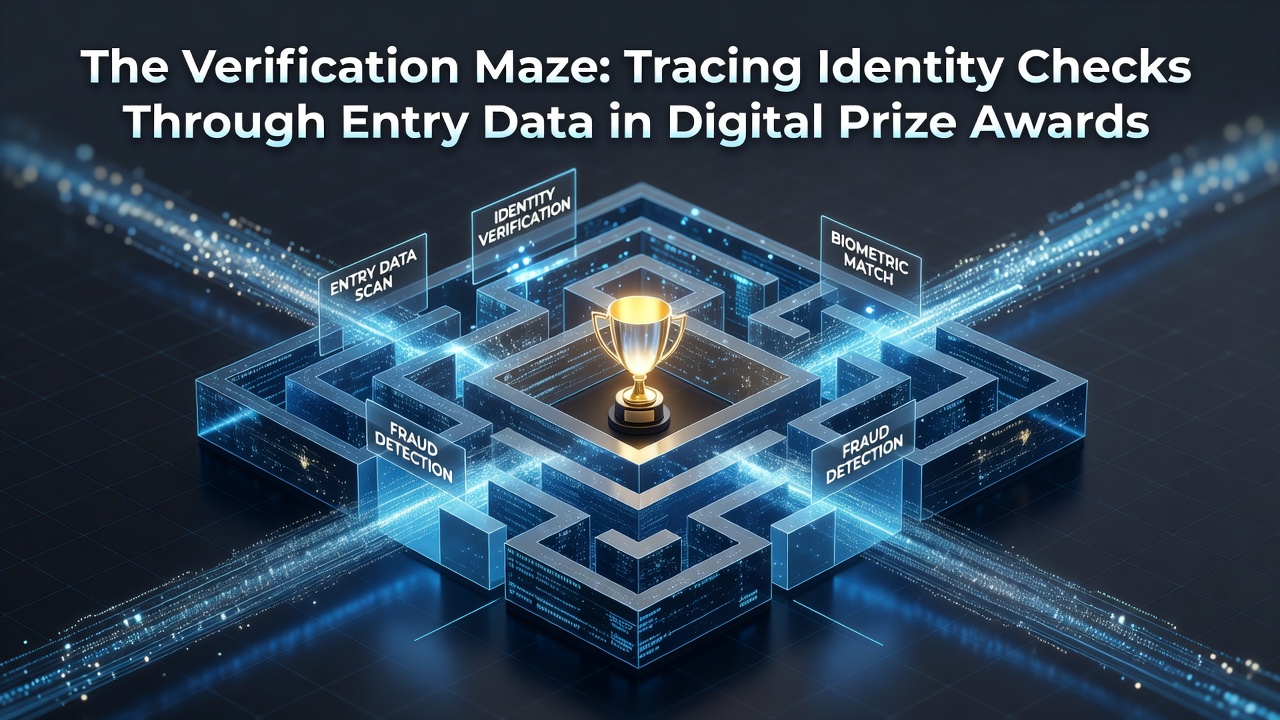
Entry forms in digital prize awards collect basic details such as names, addresses, and contact information, yet the process extends far beyond initial submission as operators route this data through layered verification protocols designed to confirm participant eligibility and prevent duplicate claims.
Data Intake and Initial Screening
Operators gather entry data at the point of submission through standardized fields that feed directly into backend systems, and these systems cross-reference information against existing databases to flag inconsistencies like mismatched email domains or repeated IP addresses from the same device. Research from academic institutions shows that automated filters often catch 70 to 80 percent of suspect entries before human review begins, while patterns in July 2026 indicated rising use of geolocation tools to enforce regional eligibility rules across platforms.
Multi-Stage Identity Confirmation
Once preliminary checks pass, verification advances to document validation where participants upload government-issued identification, adn systems employ optical character recognition to extract and match details against the original entry. Observers note that this step frequently incorporates address verification services that query postal databases, and discrepancies trigger requests for additional proof such as utility bills. Data from regulatory bodies in Canada reveal that such processes reduce fraudulent claims by significant margins, while platforms integrate third-party services to handle high volumes without delays.
Electronic verification through phone or email confirmation adds another checkpoint, and these methods send unique codes that must align with the submitted contact details. Those who've examined winners lists from multiple platforms often discover that successful claims typically complete this sequence within 48 hours, whereas incomplete submissions stall in queues until resolved.
Algorithmic Cross-Checks and Database Integration
Backend algorithms analyze entry patterns for anomalies including rapid submissions from single accounts, and they connect to external credit or identity bureaus when permitted by local laws. The reality is that these integrations operate under strict data protection standards, with the European Commission guidelines on consumer data emphasizing consent and minimization during such exchanges. One study from a European research consortium revealed correlations between verification speed and claim success rates across different jurisdictions.

What's significant is how operators maintain audit trails of each verification step, and these records prove essential during disputes or regulatory audits. Platforms based in regions with mature gaming oversight, such as those monitored by the Malta Gaming Authority, demonstrate consistent application of these protocols across international user bases.
Handling Edge Cases and Compliance Updates
Special circumstances arise when entries originate from shared devices or corporate networks, prompting manual intervention to distinguish legitimate multiple participants from coordinated attempts. According to figures from the Australian Competition and Consumer Commission, enhanced verification reduced disputed prizes in monitored promotions during recent periods. As systems evolve, updates scheduled around mid-2026 incorporated machine learning refinements that improve detection of synthetic identities generated through automated tools.
Those managing large-scale digital prize events report that transparent communication about verification requirements correlates with higher completion rates among winners, and educational resources on entry pages help clarify expectations before submissions occur.
Conclusion
Tracing identity checks through entry data reveals a structured sequence of automated and manual processes that safeguard prize distribution integrity across digital platforms. These mechanisms continue to adapt with technological advances and regulatory shifts, ensuring that verified participants receive awards while maintaining compliance standards in varied jurisdictions.