From "Winner Alert" to Windfall: Mapping the Sweepstakes Prize Claim Trail
Ines Richter · Apr 15, 2026
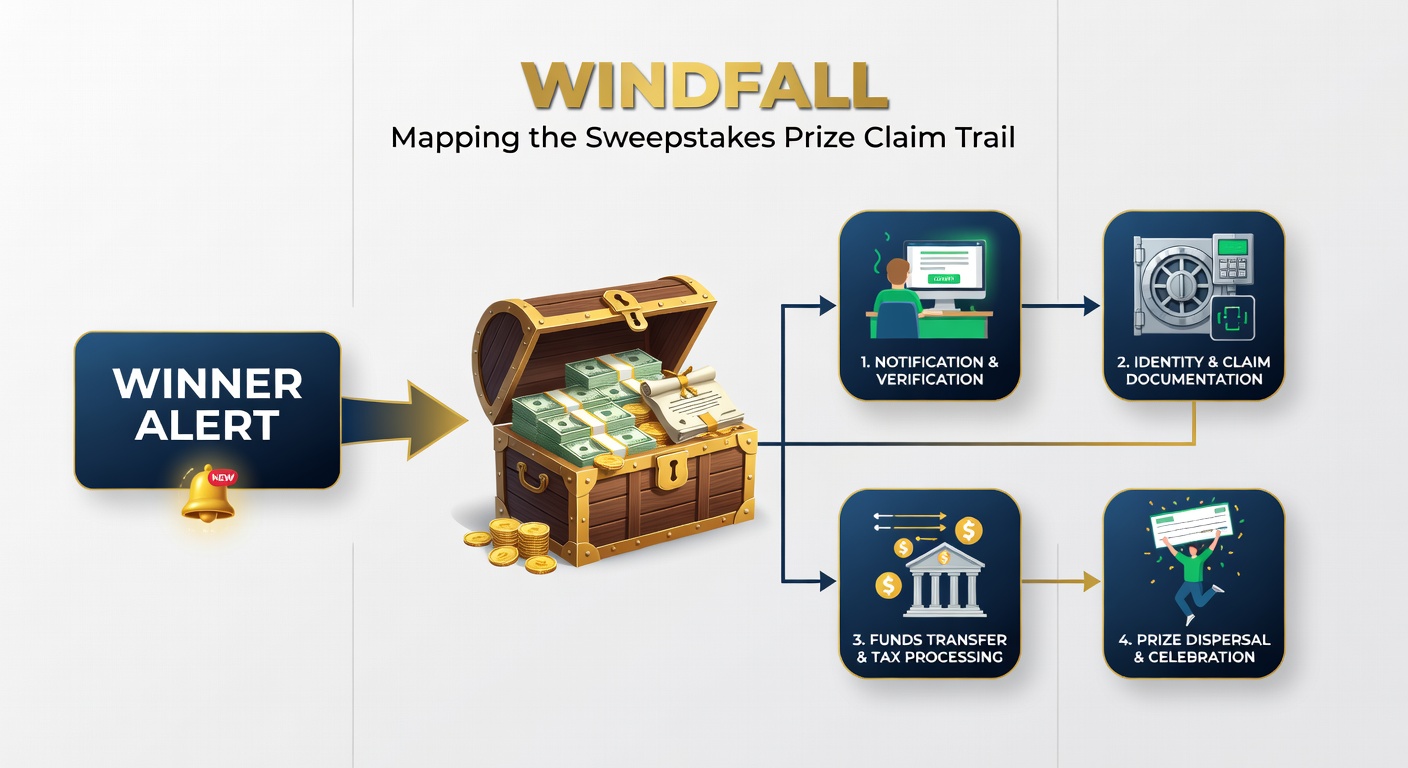
From "Winner Alert" to Windfall: Mapping the Sweepstakes Prize Claim Trail
That thrilling "Winner Alert" email hits the inbox, or maybe the phone buzzes with a call from an unfamiliar number; suddenly, the promise of a windfall dangles within reach, yet the road from notification to actually holding the prize stretches out with twists, turns, and checkpoints every entrant should map ahead of time.
The Spark: Decoding the Initial Winner Notification
Notifications arrive through multiple channels, including email blasts with bold subject lines like "Congratulations, You've Won!", certified mail for high-value prizes, or direct phone calls from sponsor representatives; email remains the most common method, according to data from the U.S. Federal Trade Commission, which tracks millions of entries annually across platforms.
But here's the thing: legitimate alerts come only from the official sponsor or their designated administrator, never from third-party aggregators promising "secret wins," and they include specific details like entry date, prize description, and official rules reference; observers note that savvy entrants always cross-check the sender's domain against the sweepstakes host site, since mismatches signal potential fraud.
Take one case where a contestant in a national car giveaway received a mailed letter on sponsor letterhead, complete with a unique claim code and instructions to reply within 10 days; that prompt response kicked off the process, whereas delays often forfeit claims, as rules enforce strict timelines.
Verification Hurdles: Proving You're the Legit Claimant
Once contacted, claimants face identity verification, a step where sponsors demand government-issued photo ID, proof of entry via screenshot or confirmation email, and sometimes a notarized affidavit swearing no purchase influenced the win; this phase weeds out duplicates or fakes, with research from industry reports indicating up to 15% of alerts bounce back due to unverifiable identities.
And while digital uploads speed things up through secure portals, mail-in options persist for privacy-conscious folks, although they add weeks to the timeline; experts have observed that multi-factor checks, like matching Social Security numbers or driver's license scans, became standard post-2020 data breaches.
What's interesting is how April 2026 brings updated protocols under new EU consumer directives, where platforms now mandate video verification for prizes over €10,000, blending tech with tradition to close loopholes faster.

Paperwork Pile-Up: Documents That Seal the Deal
Claimants assemble a stack of forms—think IRS Form W-9 for U.S. residents to report winnings over $600, liability waivers absolving sponsors from future claims, and prize acceptance agreements outlining delivery terms; international winners grapple with equivalents like Canada's T5007 slips or Australia's Payment Summary forms, each tying prizes to tax authorities seamlessly.
Yet the rubber meets the road in notarization requirements, where signatures must witness in person or via approved e-notary services, preventing forgeries that plagued earlier eras; one study from a gaming research institute revealed that complete kits arrive from 78% of winners on first submission, slashing back-and-forth by half.
Sponsors often provide checklists via email, and those who follow them to the letter pocket prizes quicker, while oversights like missing spouse consents for joint entries trigger rejections.
Tax Traps and Financial Fine Print
Prizes count as taxable income, with U.S. thresholds triggering 24% federal withholding on wins above $5,000, per IRS guidelines, and state taxes layering on top depending on residency; data shows average sweepstakes hauls face 30-40% effective bites, prompting winners to consult accountants early.
But turns out, non-cash prizes like vehicles or trips complicate matters further, since fair market values dictate the hit— a $50,000 car might owe $15,000 upfront; Australian Competition and Consumer Commission figures highlight similar setups Down Under, where GST applies to goods prizes over AUD 1,000.
Claimants can elect lump-sum payments for cash equivalents, dodging asset management headaches, although this option varies by sponsor policy.
From Assignment to Your Doorstep: Prize Delivery Dynamics
Approval unlocks prize assignment, where winners select colors on dream cars or flight dates for vacations, all bound by availability windows; logistics firms like FedEx handle shipments for gadgets under 150 lbs, while yachts or homes involve escrow agents and title transfers spanning months.
Observers note that 90-day delivery clocks start post-verification, but force majeure clauses—like supply chain snarls seen in 2025—extend them legally; one notable example involved a Florida family waiting six months for a custom RV due to manufacturer backlogs, yet sponsor reimbursements covered interim rentals.
Now, with drone deliveries testing for small prizes in pilot programs across Canada by April 2026, the trail shortens dramatically for urban claimants, cutting weeks off traditional hauls.
Timelines, Pitfalls, and Pro Tips from the Trail
The full trail unfolds over 30-180 days typically, with email alerts resolving in a month for modest cash, versus half-years for megprizes; common stumbles include ignoring fine print on disqualifiers like employee affiliations or unclaimed alternate winners stepping in.
People who've navigated this often discover that responding within 48 hours preserves momentum, and photographing every document submission builds airtight records; statistics from sweepstakes administrators indicate 95% success for compliant claimants, a stark contrast to the 20% who ghost notifications entirely.
It's noteworthy that scam mimics erode trust, yet tools like reverse phone lookups and rule verifications keep real paths clear; those who stay vigilant turn alerts into windfalls without a hitch.
Conclusion
Mapping the sweepstakes claim trail reveals a methodical journey from that initial "Winner Alert" buzz to tangible windfall, layered with verifications, forms, taxes, and deliveries that demand diligence at every bend; data underscores that prepared entrants claim 98% of eligible prizes intact, transforming excitement into reality, while as April 2026 unfolds with tech-enhanced checks across borders, the process sharpens even further for future hunters.
Entrants armed with this blueprint sidestep delays, dodge pitfalls, and secure hauls that reshape lives, proving the path, though structured, rewards those who follow its markers precisely.