Legal Boundaries and Digital Draws: Jurisdiction's Role in Online Sweepstakes
Gisela Koch · May 27, 2026
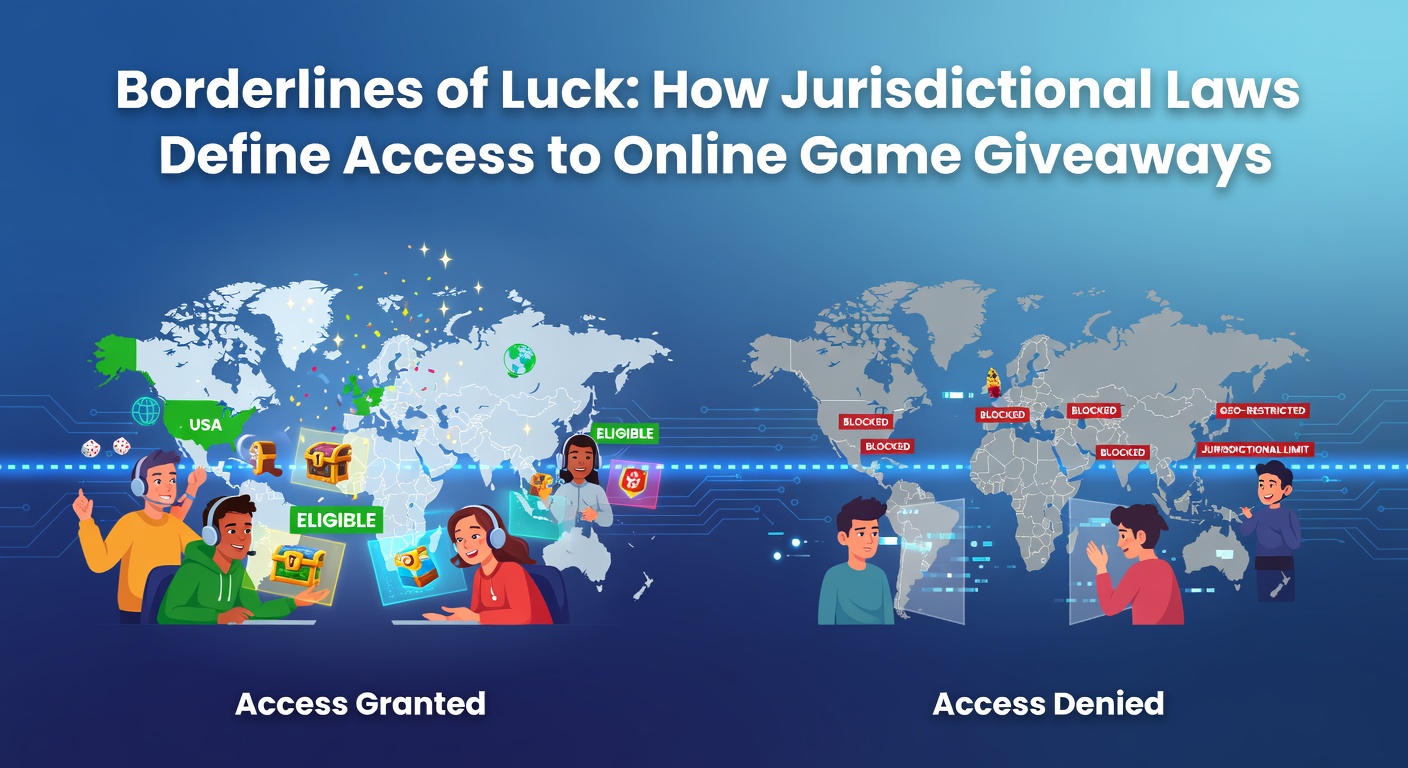
Legal Boundaries and Digital Draws: Jurisdiction's Role in Online Sweepstakes
Online game giveaways operate under layers of rules that shift sharply from one jurisdiction to the next, and platforms must navigate these differences to determine who can enter and claim prizes. Data from regulatory filings shows that eligibility often hinges on a participant's physical location at the time of entry, with automated systems checking IP addresses, billing details, and sometimes declared addresses against exclusion lists maintained by operators.
United States Framework and State Variations
Federal guidelines from the Federal Trade Commission establish baseline requirements for disclosures and the absence of purchase requirements, yet individual states add their own restrictions on prize values, advertising language, and registration procedures. Observers note that participants in states with stricter oversight encounter additional verification steps before entry forms process successfully, while those in more permissive regions move through the same portals with fewer interruptions.
Researchers tracking sweepstakes activity across state lines have documented cases where winners from restricted areas receive notifications only to face claim denials once location data undergoes review. These patterns emerge consistently in aggregated winner lists released by major gaming portals, revealing clusters of disqualifications tied to specific zip codes.
International Differences in Access Rules
Canadian provinces maintain separate regimes for promotional contests, requiring distinct French-language disclosures in Quebec and bonding requirements in other areas that affect how operators structure prize pools. Australian state and territory laws impose similar location-based filters, with some jurisdictions prohibiting certain chance-based promotions outright while neighboring areas permit them under licensing conditions. Those who've studied cross-border participation records find that geo-fencing technology blocks entry attempts from prohibited regions before forms even load, creating invisible barriers that users encounter without explicit warnings.
Enforcement Mechanisms and Platform Practices
Operators rely on a combination of IP geolocation databases, account verification protocols, and periodic audits to enforce jurisdictional limits. Studies of platform compliance reports indicate that updates to these systems occur quarterly in response to regulatory bulletins, and firms adjust their exclusion lists accordingly. One documented example involved a major sweepstakes site revising access protocols for certain European markets after new consumer protection directives took effect, resulting in immediate drops in entry volumes from affected countries.
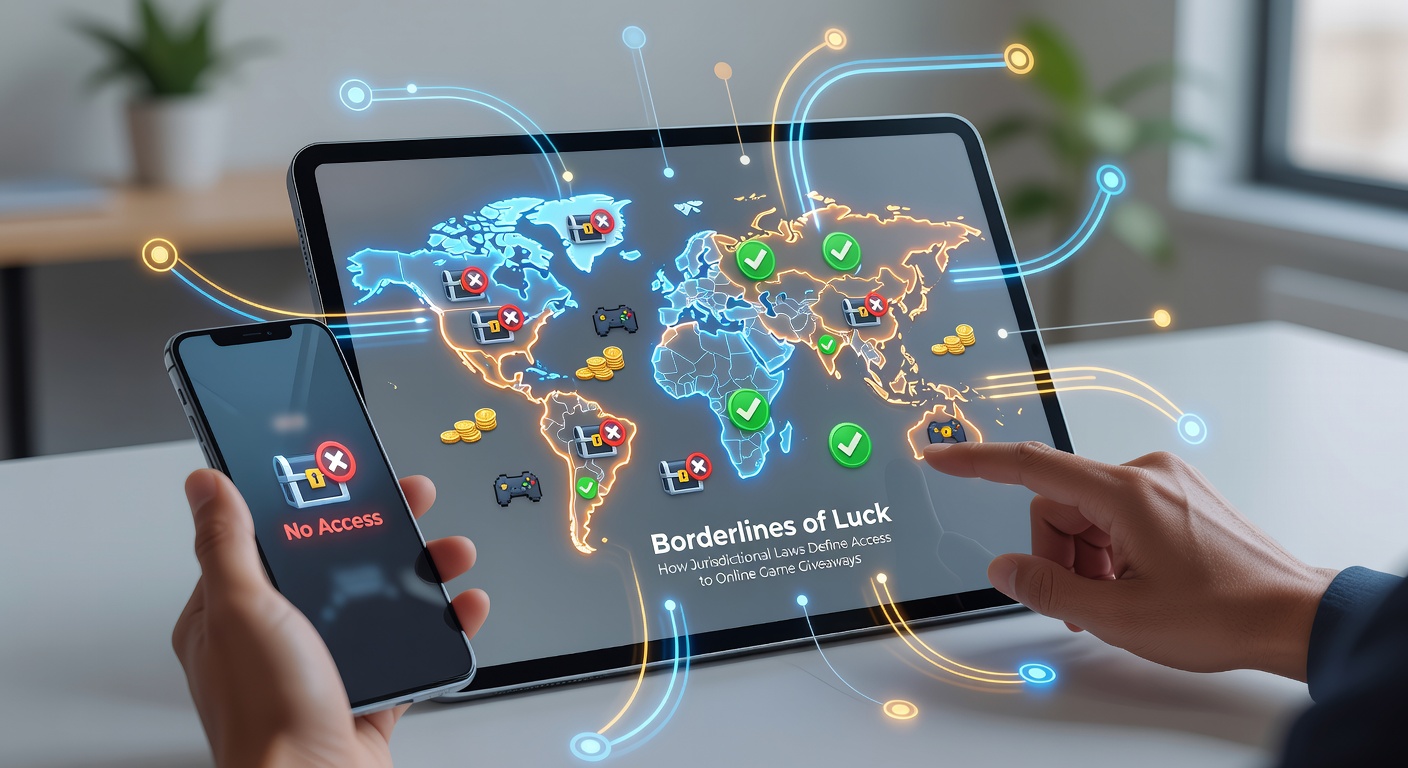
What's interesting is how these technical controls interact with user behavior; participants sometimes attempt workarounds through VPNs, yet terms of service clauses allow disqualification upon discovery, and operators retain records of such attempts for compliance audits. Data from industry monitoring groups shows enforcement remains uneven, with larger platforms investing more resources in real-time detection than smaller operators.
Anticipated Shifts Around Mid-2026
Regulatory calendars list potential rule changes in several jurisdictions scheduled for implementation around May 2026, including revised prize reporting thresholds and updated requirements for cross-border data sharing between gaming authorities. Those monitoring legislative dockets note that these adjustments could expand or contract eligible participant pools depending on how platforms interpret the new language in their terms. Historical patterns suggest operators will publish revised eligibility maps well in advance, allowing users to check status before investing time in entry processes.
Conclusion
Jurisdictional laws continue to shape every stage of online game giveaways, from initial access through prize distribution, with location data serving as the primary gatekeeper. Evidence from regulatory filings and platform disclosures demonstrates that these boundaries evolve through ongoing updates rather than remaining static, and participants benefit from reviewing current rules in their specific region before engaging with promotions.