Protecting the Draw: Oversight Protocols for Random Prize Systems in Virtual Games
Gisela Koch · May 31, 2026

Protecting the Draw: Oversight Protocols for Random Prize Systems in Virtual Games
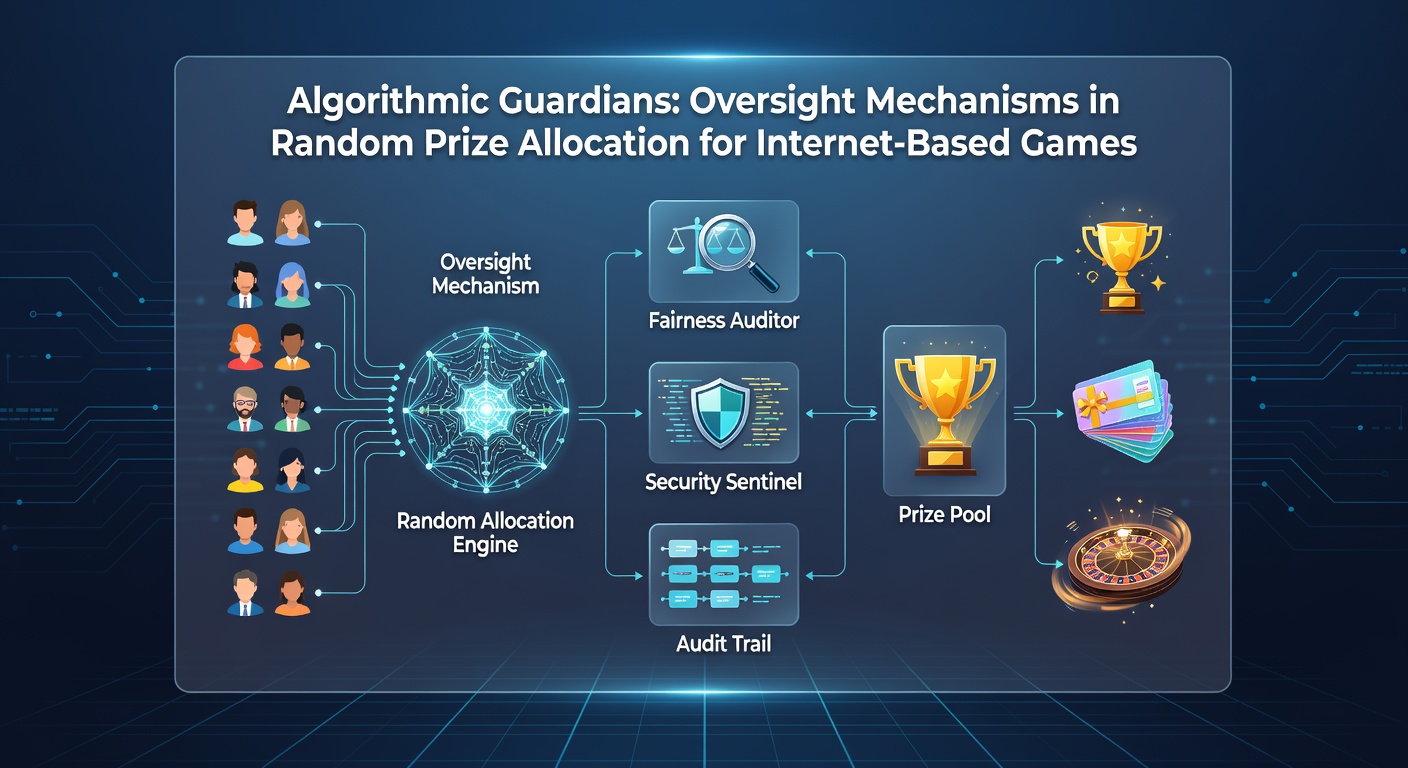
Algorithmic oversight mechanisms monitor prize selection processes across internet-based games to maintain statistical integrity and compliance with established standards, and these systems combine software verification with independent audits that examine random number generators on a regular schedule. Operators integrate multiple layers of checks that track output distributions while regulators require documentation showing that each draw adheres to predefined probability models.
Core Components of Monitoring Frameworks
Independent testing laboratories evaluate random number generator software before deployment and continue periodic reviews that measure entropy levels along with sequence unpredictability, while certification bodies issue reports that detail whether algorithms meet criteria set by organizations such as the National Institute of Standards and Technology. These evaluations occur at fixed intervals and after any code updates, creating a continuous record that regulators can access during compliance reviews.
Data logging systems capture every prize draw outcome together with associated seed values and timestamps, allowing auditors to reconstruct sequences and verify that results match expected statistical distributions over thousands of trials. Platforms store these records in secure repositories that support both internal reviews and external examinations conducted by third-party specialists.
Regulatory Requirements Across Jurisdictions
Multiple regulatory bodies establish rules that mandate algorithmic transparency and require operators to submit source code for inspection, and the approach varies by region with some authorities focusing on pre-launch testing while others emphasize ongoing surveillance programs. In the United States, state-level gaming commissions coordinate with approved labs to confirm that selection processes remain free from predictable patterns or external influence.
European frameworks incorporate similar verification steps yet add requirements for real-time anomaly detection that flags deviations exceeding set thresholds, and these systems trigger automatic alerts when observed frequencies diverge from theoretical probabilities. Observers note that such layered approaches reduce opportunities for manipulation by requiring multiple independent confirmations before any prize distribution occurs.
Technological Tools Supporting Verification
Blockchain-based ledgers provide immutable records of draw parameters that participants and regulators can inspect without relying on a single centralized database, and several platforms adopted these methods after 2023 to strengthen public confidence in selection fairness. Smart contracts execute prize assignments only after predefined conditions receive cryptographic confirmation from multiple nodes.
Machine learning models assist human auditors by scanning large datasets for subtle correlations that traditional statistical tests might overlook, while these tools flag potential issues for further manual review rather than making final determinations themselves. Research from academic institutions has examined how hybrid human-algorithm teams improve detection rates compared with either approach used in isolation.
Developments Scheduled for 2026
Industry groups plan updated certification standards that incorporate quantum-resistant encryption for seed generation processes, and several testing labs announced expanded protocols that will take effect in May 2026 to address emerging computational capabilities. These revisions require operators to demonstrate resistance against both classical and quantum-assisted prediction attempts during routine audits.
International coordination meetings scheduled for early 2026 aim to align reporting formats across borders so that operators can submit unified documentation to multiple authorities, and preliminary drafts circulated among participants indicate that standardized data schemas will reduce administrative overhead while preserving verification rigor.
Conclusion
Oversight mechanisms continue to evolve alongside advances in computing and data analysis, with current frameworks combining laboratory certification, continuous logging, and emerging technologies to safeguard random prize allocation in internet-based games. Regulatory updates planned for 2026 reflect ongoing efforts to maintain these protections against new technical challenges while supporting consistent standards across different jurisdictions.