System Foundations: How Platform Architectures Shape Entry Validation Across Casino Draw Networks
Ines Richter · Jul 24, 2026
System Foundations: How Platform Architectures Shape Entry Validation Across Casino Draw Networks
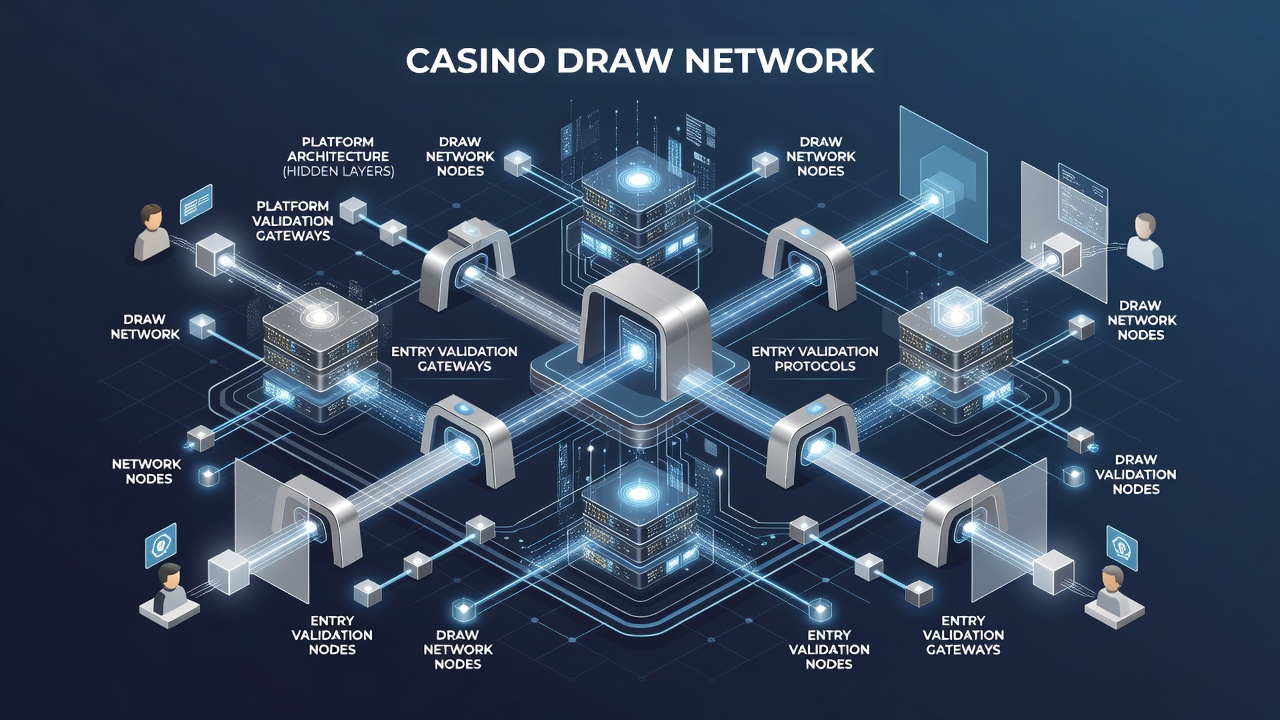
Platform architectures in casino draw networks consist of multiple interconnected layers that handle everything from user interfaces to backend databases, and these structures directly affect how entries undergo validation before any draw occurs. Observers note that centralized server models often route validation requests through a single authentication hub, whereas distributed systems spread the workload across regional nodes to manage high volumes of submissions during peak periods like July 2026 promotions. Data from regulatory filings show that such choices influence processing speeds, duplicate detection rates, and eligibility checks based on location or account history.
Core Layers in Typical Architectures
Entry validation begins at the presentation layer where forms collect participant details, yet the real filtering happens deeper in the application and data layers, according to technical specifications shared by platform providers. Microservices setups allow independent scaling of validation modules, so one service might verify age restrictions while another cross-checks against prior winners lists, and this separation reduces bottlenecks when thousands of entries arrive simultaneously. Researchers have documented cases where monolithic architectures consolidate these checks into fewer components, which can streamline updates but also create single points of failure during network spikes.
Database schemas play a key role here, as relational structures enforce rules like unique identifiers per account while NoSQL options prioritize speed for real-time lookups, and industry reports indicate both approaches appear across major networks. API gateways sit between these layers to enforce rate limits and token validation, preventing automated scripts from flooding systems with invalid submissions. Those who've examined production logs often find that latency in these gateways correlates directly with the thoroughness of downstream checks.
Influence on Eligibility and Duplicate Prevention
Geographic restrictions get enforced through IP mapping and account metadata stored in the data layer, while architecture decisions determine whether these checks run synchronously or asynchronously. Synchronous validation blocks entries immediately if a mismatch appears, yet asynchronous methods queue them for later review, and figures from network operators reveal the latter approach handles larger campaigns without user-facing delays. Duplicate detection relies on hashing algorithms tied to the architecture's caching layer, which stores recent entries for quick comparison and thereby cuts down on repeated submissions from the same device or user profile.
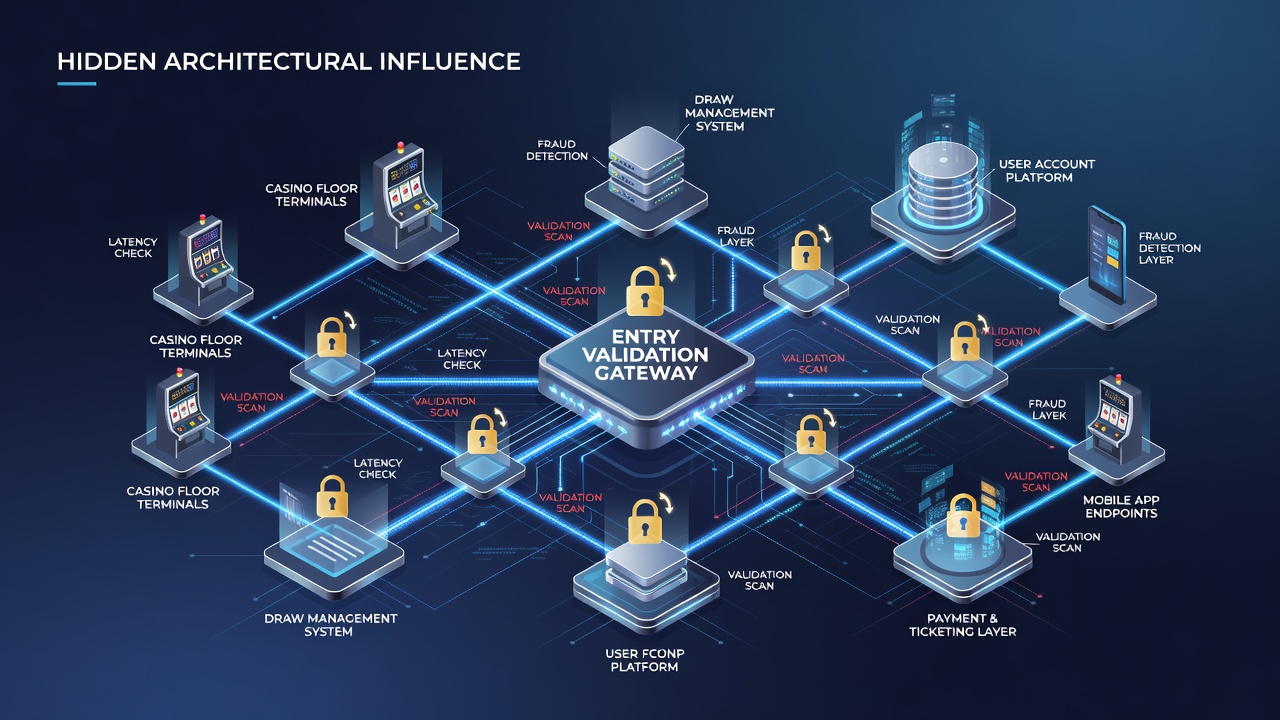
Security protocols embedded in the architecture further shape validation outcomes, with encryption standards protecting data in transit and access controls limiting which services can query sensitive fields. A report from the New Jersey Division of Gaming Enforcement highlights how layered authentication reduces unauthorized entries, while similar findings appear in analyses from the Malta Gaming Authority on cross-border platforms. When architectures incorporate blockchain elements for audit trails, every validation step leaves an immutable record, though such additions increase computational overhead during high-traffic draws.
Scalability Effects on Real-Time Checks
Cloud-based infrastructures allow dynamic resource allocation that keeps validation responsive even as entry counts rise, and studies from academic sources like the University of Nevada's gaming research group show measurable improvements in accuracy under load. Edge computing nodes positioned closer to users cut transmission times for initial checks, whereas central cloud clusters handle complex eligibility logic that requires aggregated data from multiple sources. Observers note that hybrid models combining both often deliver the most consistent performance across global casino draw networks.
Integration points with external services, such as payment processors or third-party verification tools, add another dimension because the architecture must route data securely without exposing raw inputs. Those managing these systems report that poorly designed interfaces between layers can introduce validation gaps, particularly when updates roll out across distributed environments in mid-2026. Monitoring tools built into the platform track error rates at each stage, providing operators with data to refine rules without disrupting ongoing draws.
Conclusion
Platform architectures ultimately determine the reliability and efficiency of entry validation processes that underpin casino draw networks, as evidenced by technical documentation and regulatory observations from various jurisdictions. Different design choices lead to distinct patterns in how quickly and accurately submissions get processed, which in turn affects participant experiences and operational costs. Continued examination of these systems by engineers and oversight bodies supports ongoing refinements that align with evolving network demands.